

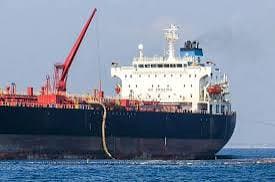
Nigeria has recorded a significant breakthrough in global energy shipping after a liquefied natural gas (LNG) cargo became the first to transit the Bab el-Mandeb Strait in four months, underscoring the country's growing strategic importance in international gas trade despite escalating security threats across the Red Sea.
The milestone comes at a time when renewed attacks and threats by Yemen's Iran-backed Houthi rebels have disrupted one of the world's busiest maritime corridors, forcing many shipowners to divert vessels, suspend sailings or reassess voyages through the Red Sea.
According to S&P Global Commodities at Sea's Market Impact Report released on July 22, LNG carrier GASLOG SALEM successfully navigated the Bab el-Mandeb Strait after discharging a cargo loaded in Nigeria at Bangladesh. The vessel subsequently proceeded towards the Red Sea after remaining off the coast of Sri Lanka for about a week, becoming the first LNG carrier to use the route since March 2026.
Although the voyage marks an important development for Nigeria's LNG exports, S&P Global cautioned that the transit should not be interpreted as a full-scale return of LNG traffic through the security-challenged corridor. The report noted that the voyage appeared unrelated to Saudi LNG exports, making it less exposed to the immediate risks associated with the Houthis' latest maritime embargo targeting Saudi-linked shipping.
The crossing nevertheless highlights Nigeria's increasing role in helping sustain global LNG supplies at a time when geopolitical tensions continue to reshape international energy trade. As Africa's largest LNG exporter, Nigeria remains a critical supplier to Asian markets, particularly as buyers seek to diversify supply sources amid persistent instability across the Middle East.
Security concerns in the Red Sea have intensified sharply in recent days. S&P Global reported that total vessel crossings through the Bab el-Mandeb Strait dropped from 41 to 29 vessels between July 20 and July 21, representing a decline of nearly 30 per cent. Tanker traffic experienced the steepest fall, plunging from 16 crossings to just seven, suggesting that shipowners have begun responding to the Houthis' warning that vessels linked to Saudi Arabian ports could become targets.
Several tankers departing Saudi Arabia's Yanbu export terminal reportedly slowed down or reversed course after the announcement, reinforcing concerns that operators are becoming increasingly cautious about navigating one of the world's most strategic oil and gas shipping lanes.
The latest disruption comes at a particularly sensitive period for global energy markets. Saudi Arabia has relied more heavily on its Red Sea export infrastructure following heightened risks around the Strait of Hormuz, meaning any prolonged disruption at Bab el-Mandeb could force crude and LNG cargoes onto significantly longer routes around southern Africa. Such diversions would increase voyage durations, freight costs, insurance premiums and tanker demand, adding fresh upward pressure to global energy prices.
For Nigeria, the successful transit presents both opportunity and risk. While sustained geopolitical tensions could strengthen international demand for Nigerian LNG as buyers diversify supply sources, prolonged insecurity along major shipping corridors may simultaneously increase transportation costs and marine insurance premiums, potentially reducing the competitiveness of Nigerian cargoes.
With LNG exports remaining one of Nigeria's most important sources of foreign exchange earnings, developments around the Bab el-Mandeb Strait will continue to be closely watched by exporters, energy traders and policymakers seeking to balance expanding export opportunities against the growing risks confronting global maritime trade.