

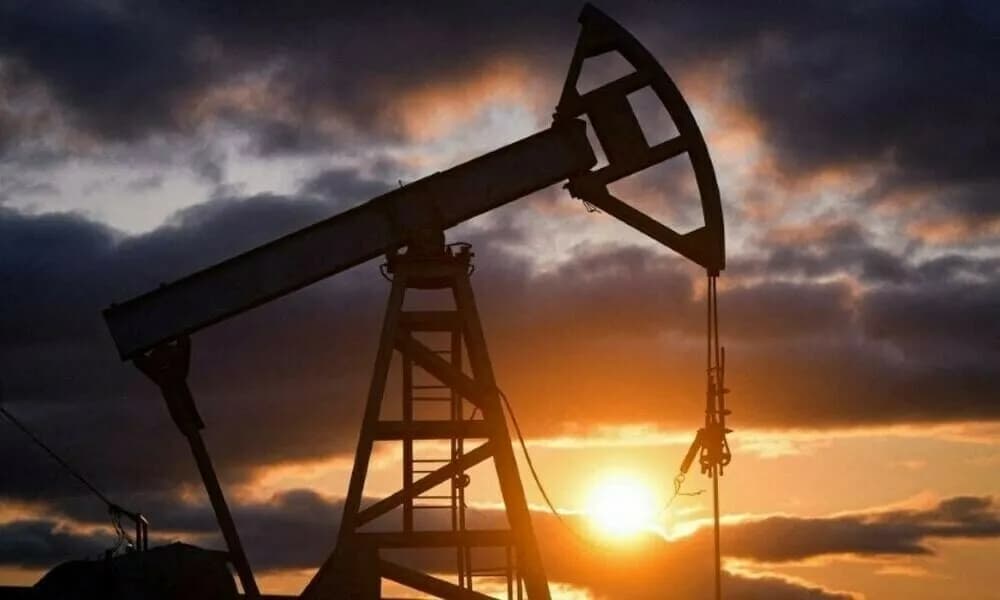
Africa remains a vital player in the global oil landscape, accounting for about 7.5% of the world’s oil reserves. Five countries: Nigeria, Angola, Algeria, Libya, and Egypt take the lead. This report delivers a clear, timely analysis of their crude oil output, refining strength, fuel imports, and current petrol and diesel prices, presented in both Nigerian Naira (₦) and US Dollars ($) per litre. The exchange rate used is ₦1,600 to $1 as of June 19, 2025.
Nigeria: Africa’s Oil Leader Grapples with Losses
Crude Oil Production Snapshot
Nigeria remains Africa’s top oil producer, currently pumping out 1.61 million barrels per day (bpd). With 37.5 billion barrels in proven reserves, it ranks just behind Libya on the continent.
Challenges on Ground
Nigeria faces persistent hurdles, including widespread oil theft, decaying infrastructure, and frequent militant disruptions in the Niger Delta. Although the Petroleum Industry Act (PIA) of 2021 was designed to overhaul the sector, its implementation remains sluggish. The Nigerian Upstream Petroleum Regulatory Commission (NUPRC) has launched digital tracking systems to curb crude losses, yet enforcement is still lacking.
Oil Refining Status
Despite having five major refineries, Nigeria refines only about 200,000 bpd far short of the country’s 400,000 bpd demand:
- Port Harcourt: 210,000 bpd (partially active)
- Warri: 125,000 bpd (inactive)
- Kaduna: 110,000 bpd (inactive)
- Dangote: 650,000 bpd (currently refining 550,000 bpd)
Why Nigeria Still Imports Fuel
Nigeria continues to import refined fuel primarily from the Netherlands and Belgium. The state-run refineries remain underperforming, and the country’s rapidly growing population keeps fuel demand high.
Current Prices
- Petrol: ₦867/litre or $0.54
- Diesel: ₦960/litre or $0.60
Angola: Southern Strength with Oil Refining Gaps
Crude Oil Production Overview
Angola ranks second in Africa, producing 1.11 million bpd and holding reserves of 7.78 billion barrels.
Sector Struggles
Angola battles falling output from ageing oilfields and faces stiff competition from U.S. and Russian crude. It exited OPEC in 2023 to regain control over its output levels.
Oil Refining Capacity
- Luanda Refinery: 65,000 bpd (producing 40,000 bpd)
- Cabinda & Soyo Refineries: Under development
Currently, domestic refining covers less than 20% of national demand.
Why Angola Imports Fuel
Angola imports over 80% of its refined fuel from international markets due to limited refining capabilities.
Current Prices
- Petrol & Diesel: ₦190/litre or $0.12
Algeria: North Africa’s Stable Supplier
Crude Oil Production Insights
Algeria averages 1 million bpd and holds 12.2 billion barrels in proven reserves.
Challenges Faced
With ageing fields like Hassi Messaoud and a slow pace of exploration, Algeria faces hurdles in ramping up production. Bureaucratic bottlenecks also deter foreign investors.
Oil Refining Capability
Algeria operates five refineries with a combined capacity of 677,000 bpd, which meets around 90% of its domestic demand.
Crude Oil Imports? Not Really
Algeria is mostly self-reliant and imports only niche petroleum products.
Current Prices
- Petrol: ₦544/litre or $0.34
- Diesel: ₦343/litre or $0.21
Libya: Vast Potential, Held Back by Conflict
Crude Oil Production Status
Despite ongoing political unrest, Libya produces between 1.1 and 1.2 million bpd. With 48.36 billion barrels in proven reserves, it holds Africa’s largest crude deposits.
Roadblocks
Infrastructure damage, port blockades, and internal conflict continue to hamper production stability.
Oil Refineries in Brief
Libya operates five refineries, but due to frequent breakdowns, they collectively refine just 150,000 bpd.
Why Libya Still Imports Fuel
Frequent refinery shutdowns have made Libya dependent on fuel imports from Europe and Turkey.
Current Prices
- Petrol & Diesel: ₦48/litre or $0.03
Egypt: Africa’s Refining Front-runner
Crude Oil Production Overview
Egypt pumps around 587,000 bpd and holds 12.3 billion barrels in reserves.
Challenges in Focus
The country faces dwindling onshore output, although it is actively investing in offshore exploration. Egypt prioritises natural gas for export and local use.
Leading in Refining
With nine refineries and 893,000 bpd in combined capacity, Egypt leads Africa in refining. It meets most of its domestic fuel demand.
Imports and Export Mix
To meet specific refining needs, Egypt imports about 100,000 bpd of crude and specialised refined products from Gulf nations.
Current Prices
- Petrol: ₦624/litre or $0.39
- Diesel: ₦512/litre or $0.32
Summary Table
| Country | Daily Output | Reserves | Refineries | Capacity (bpd) | Crude Price | Petrol (₦/$ per L) | Diesel (₦/$ per L) |
|---|---|---|---|---|---|---|---|
| Nigeria | 1.61 mbpd | 37.5B | 5 | 1.1M | ₦119,680 | 867 / $0.54 | 960 / $0.60 |
| Angola | 1.11 mbpd | 7.78B | 1 (active) | 65,000 | ₦119,680 | 190 / $0.12 | 190 / $0.12 |
| Algeria | 1 mbpd | 12.2B | 5 | 677,000 | ₦119,680 | 544 / $0.34 | 343 / $0.21 |
| Libya | 1.2 mbpd | 48.36B | 5 | 380,000 | ₦119,680 | 48 / $0.03 | 48 / $0.03 |
| Egypt | 587k bpd | 12.3B | 9 | 893,000 | ₦119,680 | 624 / $0.39 | 512 / $0.32 |
Key Takeaways
- Nigeria leads in production but lags in refining capacity and infrastructure.
- Libya has vast reserves but faces severe political and operational instability.
- Angola and Algeria are pushing for infrastructure upgrades and sector reforms.
- Egypt leads in refining but is a mid-tier crude oil producer.
Outlook
Oil prices in Naira are expected to hover between ₦112,000 and ₦128,000 per barrel in 2025, depending on global Brent crude benchmarks and local exchange rate fluctuations. Across the continent, petrol and diesel prices will remain unstable due to subsidy reforms, FX pressures, and supply-demand shifts.
Final Thought
These five countries anchor Africa’s role in the global oil market. While their underground wealth is undeniable, the road to converting barrels into sustainable development is still long. Nigeria’s high fuel prices reflect broader economic challenges tied to forex, policy gaps, and heavy import reliance. For these nations to fully benefit, decisive reforms, targeted investments, and long-term diversification must follow.